中国安全科学学报 ›› 2026, Vol. 36 ›› Issue (7): 86-91.doi: 10.16265/j.cnki.issn1003-3033.2026.07.0237

• 安全技术与工程 • 上一篇    下一篇

不同压强与火源功率下压缩空气泡沫灭火性能研究

过羿1,2(), 谭甜甜1, 张佳庆1,**(), 吴革新3, 李博3   

  1. 1 国网安徽省电力有限公司电力科学研究院 安徽省新型电力系统火灾安全与应急技术重点实验室(国家电网公司输变电设施火灾防护实验室), 安徽 合肥 230601
    2 中国科学技术大学 火灾安全全国重点实验室, 安徽 合肥 230031
    3 中国地质大学(武汉) 工程学院, 湖北, 武汉 430074
  • 收稿日期:2026-02-05 修回日期:2026-05-07 出版日期:2026-08-10
  • 通信作者:
    **张佳庆(1987—),男,安徽安庆人,博士,正高级工程师,主要从事泡沫灭火、电气安全等方面的工作。E-mail:
  • 作者简介:

    过 羿 (1989—),男,安徽合肥人,硕士,高级工程师,主要从事高压电网设备火灾防控方面的研究。E-mail:

    谭甜甜, 高级工程师;

    李博, 副教授

  • 基金资助:
    国网安徽省电力有限公司科技项目(52120524000U)

Study on fire extinguishing performance of compressed air foam under variable pressure and fire source power

Guo Yi1,2(), Tan Tiantian1, Zhang Jiaqing1,**(), Wu Gexin3, Li Bo3   

  1. 1 State Grid Anhui Electric Power Research Institute, Anhui Provincial Key Laboratory of New Type Power Systems Fire Safety and Emergency Technology (State Grid Laboratory of Fire Protection for Transmission and Distribution Facilities), Hefei Anhui 230601, China
    2 State Key Laboratory of Fire Science, University of Science and Technology of China, Hefei Anhui 230031, China
    3 Faculty of Engineering, China University of Geosciences (Wuhan), Wuhan Hubei 430074, China
  • Received:2026-02-05 Revised:2026-05-07 Published:2026-08-10

摘要:

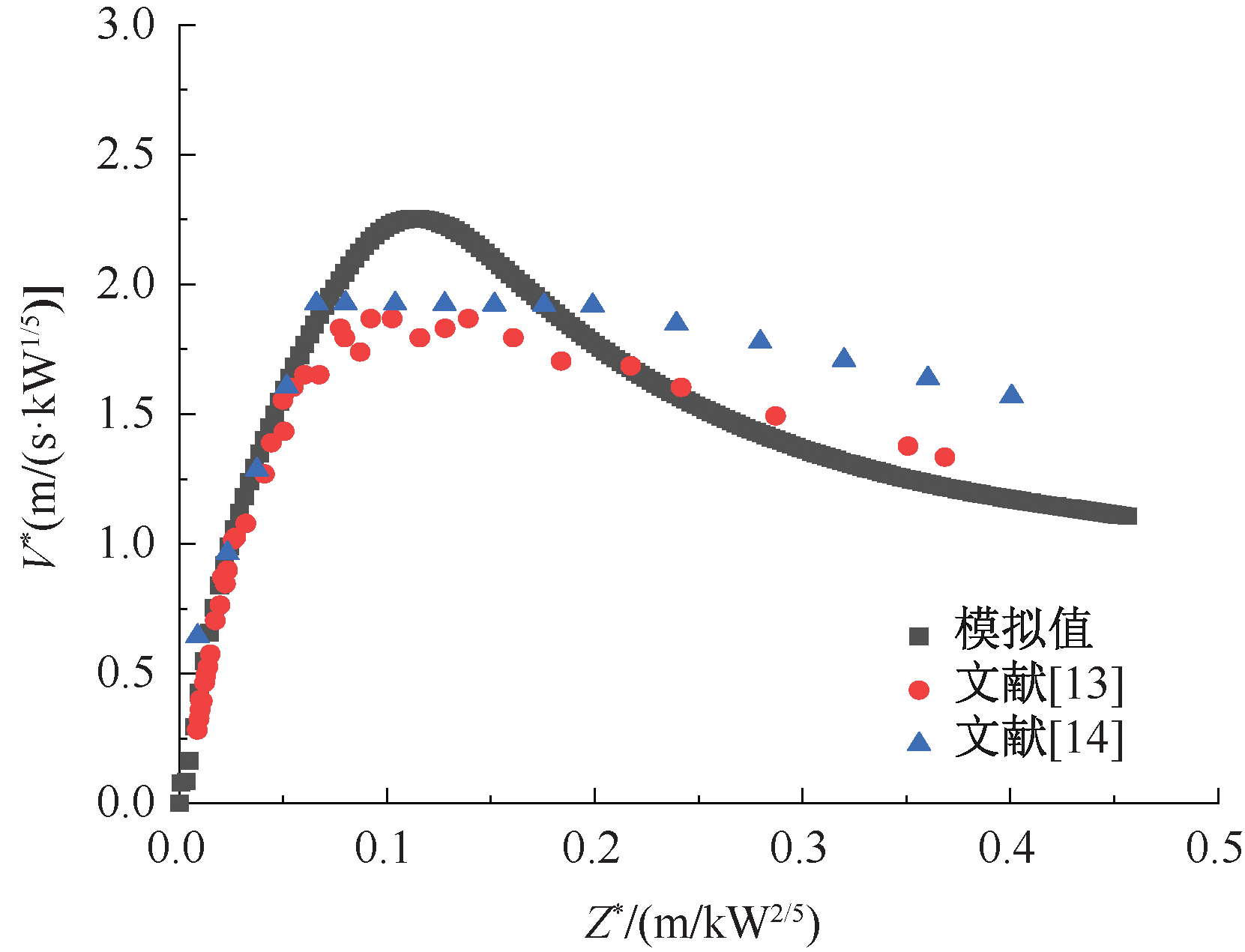
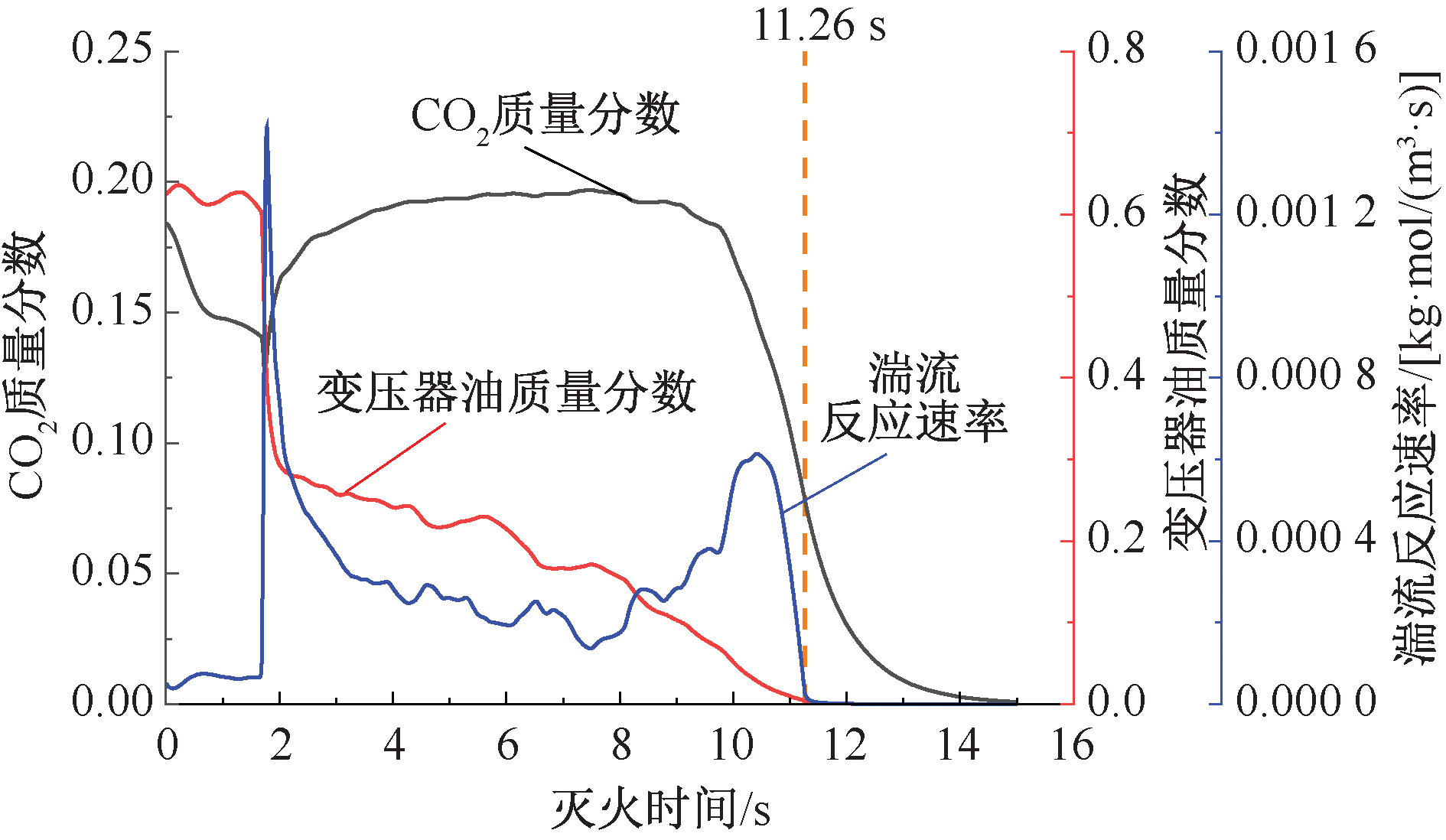
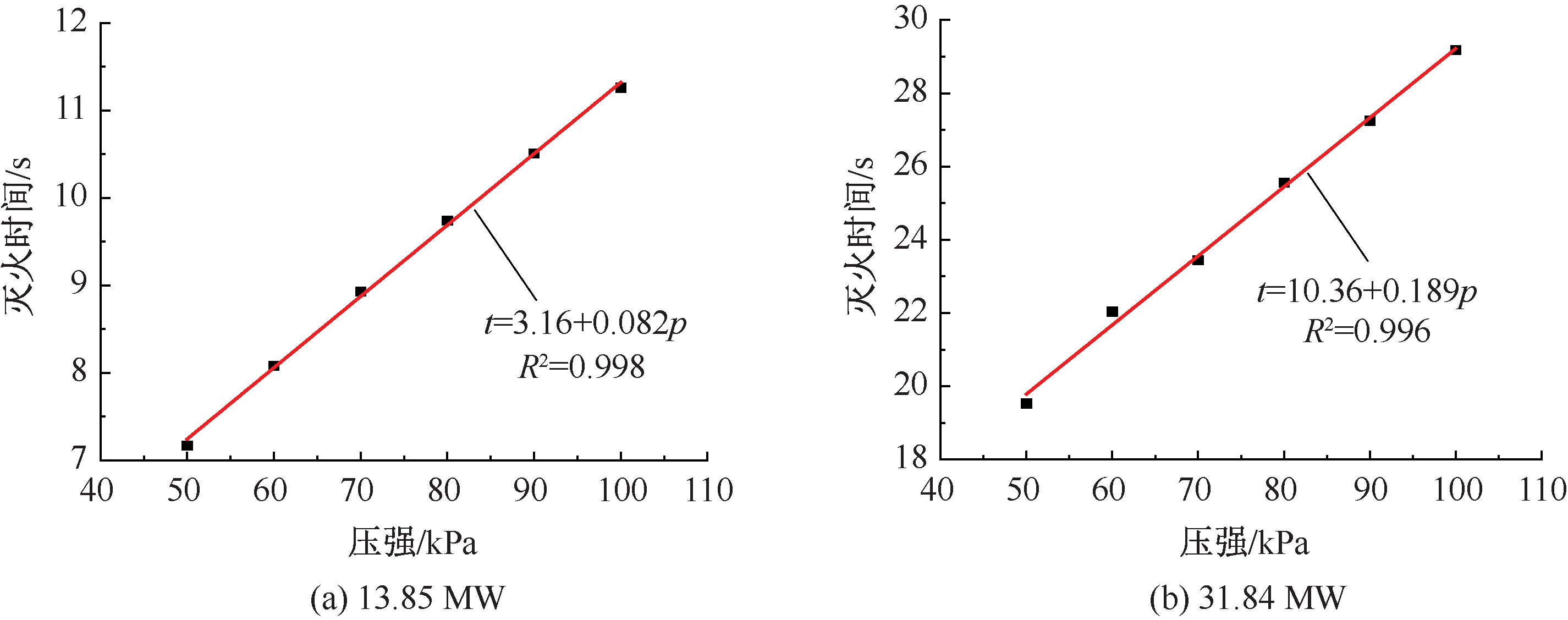
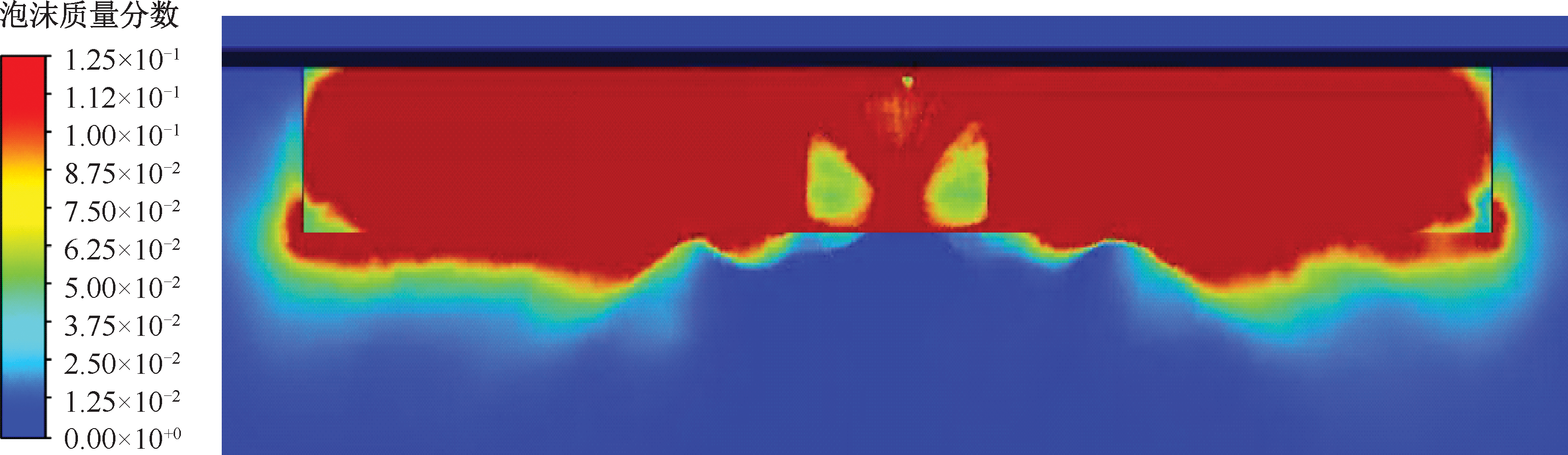
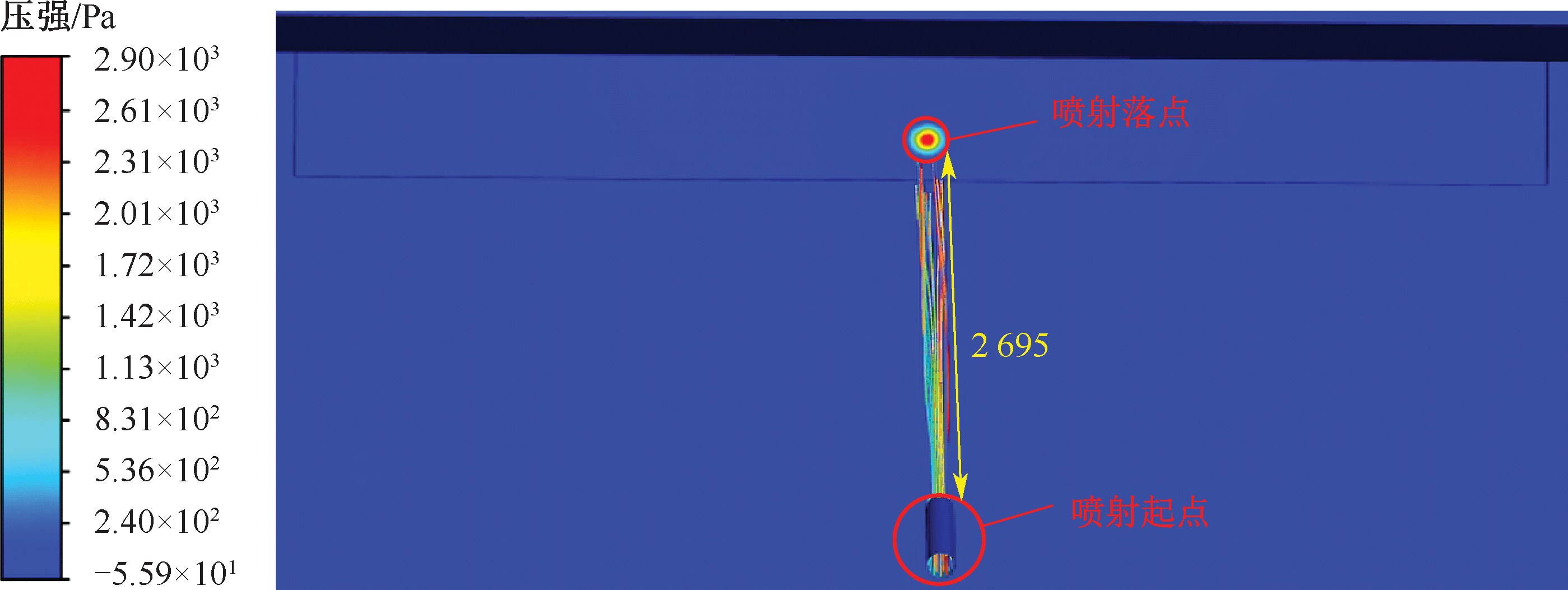
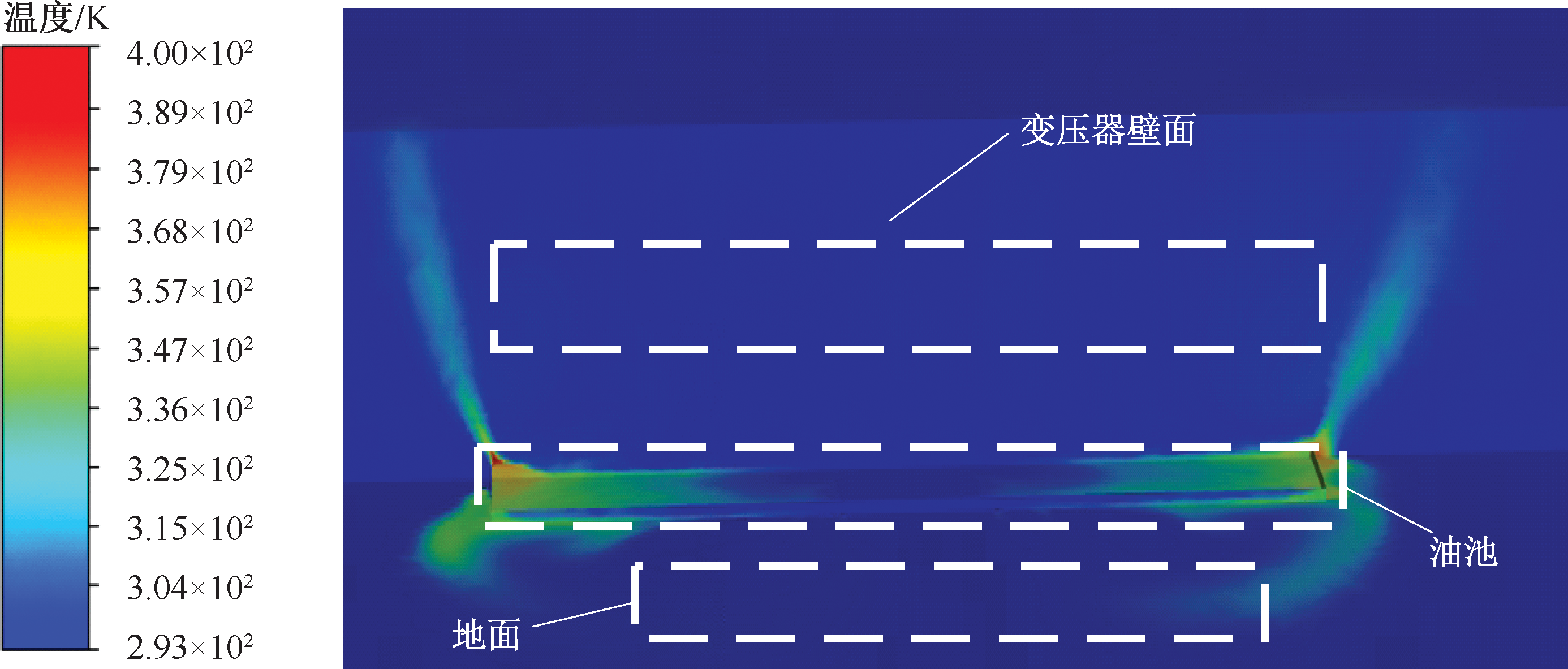
为探究不同环境压强与火源功率下压缩空气泡沫的灭火性能,采用计算流体力学(CFD)数值模拟方法,搭建三维数值模型并验证其可靠性,分析泡沫喷射与燃烧过程;基于CO2质量分数、燃料质量分数及反应速率判定灭火状态,分析灭火时间、泡沫覆盖范围、喷射距离及火场温度分布等关键参数,并构建适用于不同环境压强和火源功率的泡沫灭火时间经验公式。结果表明:在50~100 kPa环境压强范围内,13.85和31.84 MW火源功率下灭火时间均随环境压强升高呈单调增加趋势,环境压强升高改变泡沫的结构与流动特性,削弱其铺展及封闭燃料表面的能力,从而导致灭火时间延长。泡沫覆盖范围在各压强条件下均与油池面积基本一致,分别稳定在约10和26 m2,表明环境压强对泡沫覆盖范围影响较小;泡沫喷射距离波动范围较小,整体维持在约2.7 m,受环境压强变化影响不显著。灭火结束后火场温度分布呈现差异,泡沫优先覆盖区域温度迅速下降,而油池两侧区域泡沫覆盖相对滞后,温度较高,存在复燃风险,需进一步降温处理。

关键词: 环境压强, 火源功率, 压缩空气泡沫, 灭火时间, 覆盖范围, 喷射距离, 温度分布

Abstract:

To investigate the fire extinguishing performance of compressed air foam under different ambient pressures and fire source powers, a Computational Fluid Dynamics (CFD)-based numerical simulation was employed. A three-dimensional numerical model was developed and validated, and the foam discharge and combustion processes were analyzed. The extinguishment state was determined based on the CO2 mass fraction, fuel mass fraction, and reaction rate. Key parameters, including extinguishing time, foam coverage area, discharge distance, and fire temperature distribution, were analyzed, and an empirical correlation for foam extinguishing time applicable to different ambient pressures and fire source powers was established. The results show that within the ambient pressure range of 50-100 kPa, the extinguishing time for two fire source powers (13.85 and 31.84 MW) increase monotonically with increasing ambient pressure. The increase in pressure alters the foam structure and flow characteristics, weakening its spreading and fuel-surface sealing capacity, thereby prolonging the extinguishing process. The foam coverage area remains essentially equal to the oil pool area under all pressure conditions, stabilizing at approximately 10 and 26 m2, indicating that ambient pressure has a limited effect on coverage area. The foam discharge distance shows minor variation and remains around 2.7 m, suggesting negligible influence of ambient pressure. After extinguishment, the temperature distribution exhibits spatial non-uniformity: the temperature in regions initially covered by foam decreases rapidly, whereas higher temperatures persist on both sides of the oil pool due to delayed foam coverage, posing a risk of reignition and requiring further cooling.

Key words: ambient pressure, fire source power, compressed air foam, extinguishing time, coverage, spray distance, temperature distribution

中图分类号: