中国安全科学学报 ›› 2026, Vol. 36 ›› Issue (3): 212-220.doi: 10.16265/j.cnki.issn1003-3033.2026.03.1452

• 公共安全与应急管理 • 上一篇    下一篇

博弈视角下交通监管伪装策略优化及纳什均衡求解*

邓恺龙(), 徐婷, 陈亦新**(), 刘文宇, 赖心荷, 张志顺   

  1. 长安大学 运输工程学院, 陕西 西安 710064
  • 收稿日期:2025-10-14 修回日期:2026-01-10 出版日期:2026-03-31
  • 通信作者:
    ** 陈亦新(1987—),男,河北石家庄人,工学博士,副教授,主要从事交通安全、交通规划、交通管理与组织等方面的研究。E-mail:
  • 作者简介:

    邓恺龙 (2001—),男,山西大同人,硕士研究生,研究方向为交通运输规划与管理、电动汽车路径规划、交通基础设施优化。E-mail:

    徐 婷,教授。

  • 基金资助:
    陕西省自然科学基础研究计划项目(2025JC-YBMS-538); 长安大学中央高校基本业务经费专项资金资助(300102344201); 长安大学中央高校基本业务经费专项资金资助(300102343205)

Optimization of camouflage strategies and Nash equilibrium solution in traffic supervision based on game theory

DENG Kailong(), XU Ting, CHEN Yixin**(), LIU Wenyu, LAI Xinhe, ZHANG Zhishun   

  1. College of Transportation Engineering, Chang'an University, Xi'an Shaanxi 710064, China
  • Received:2025-10-14 Revised:2026-01-10 Published:2026-03-31

摘要:

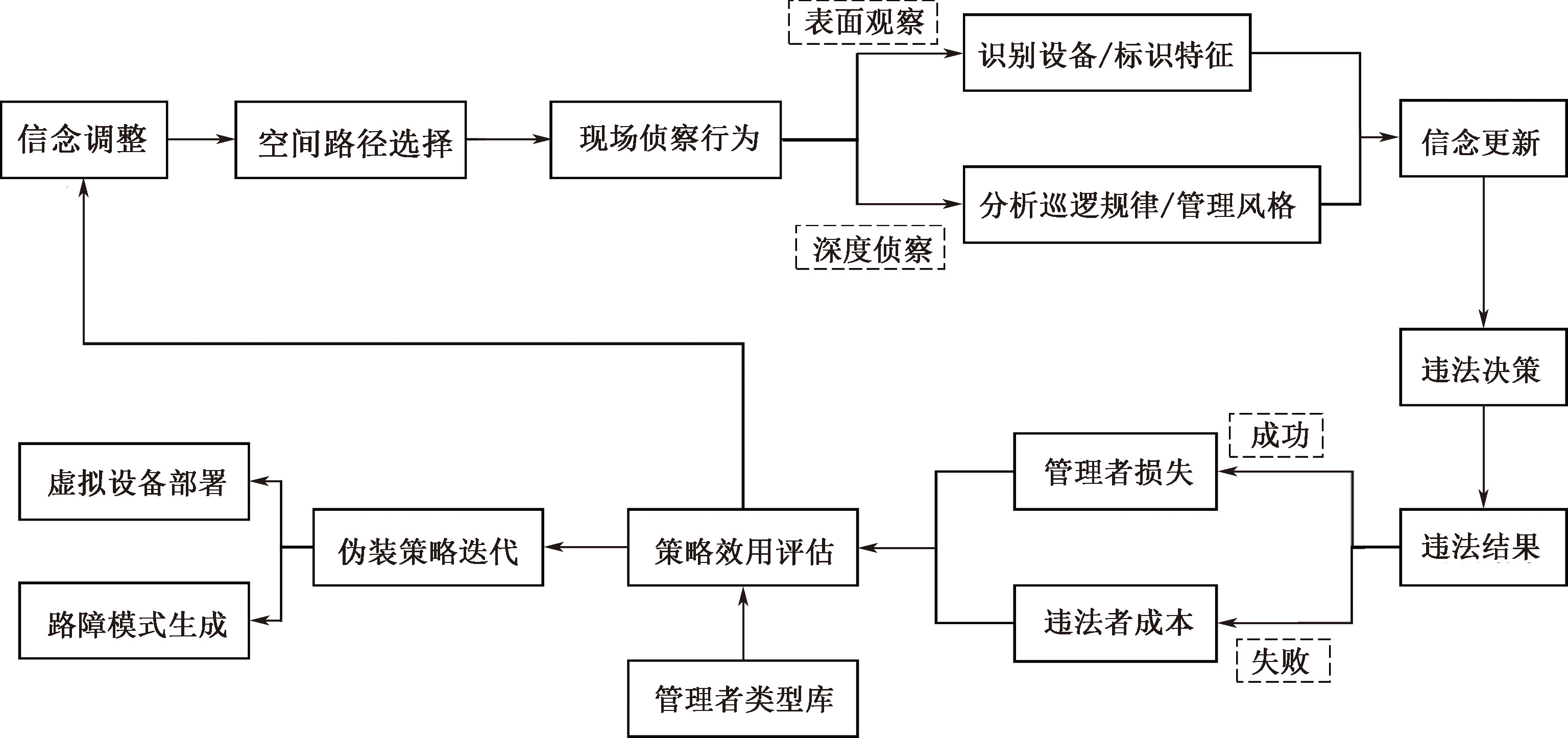
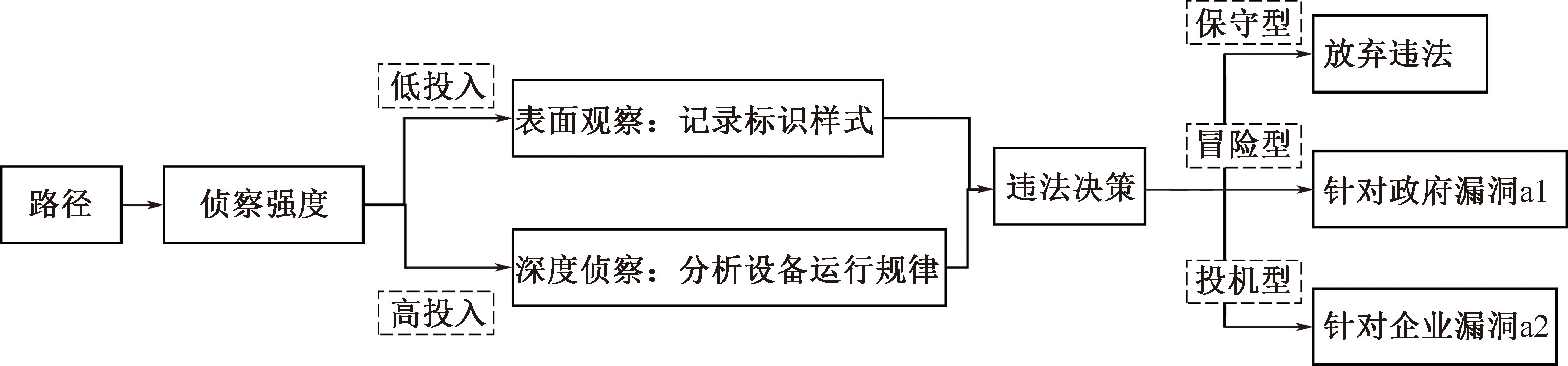
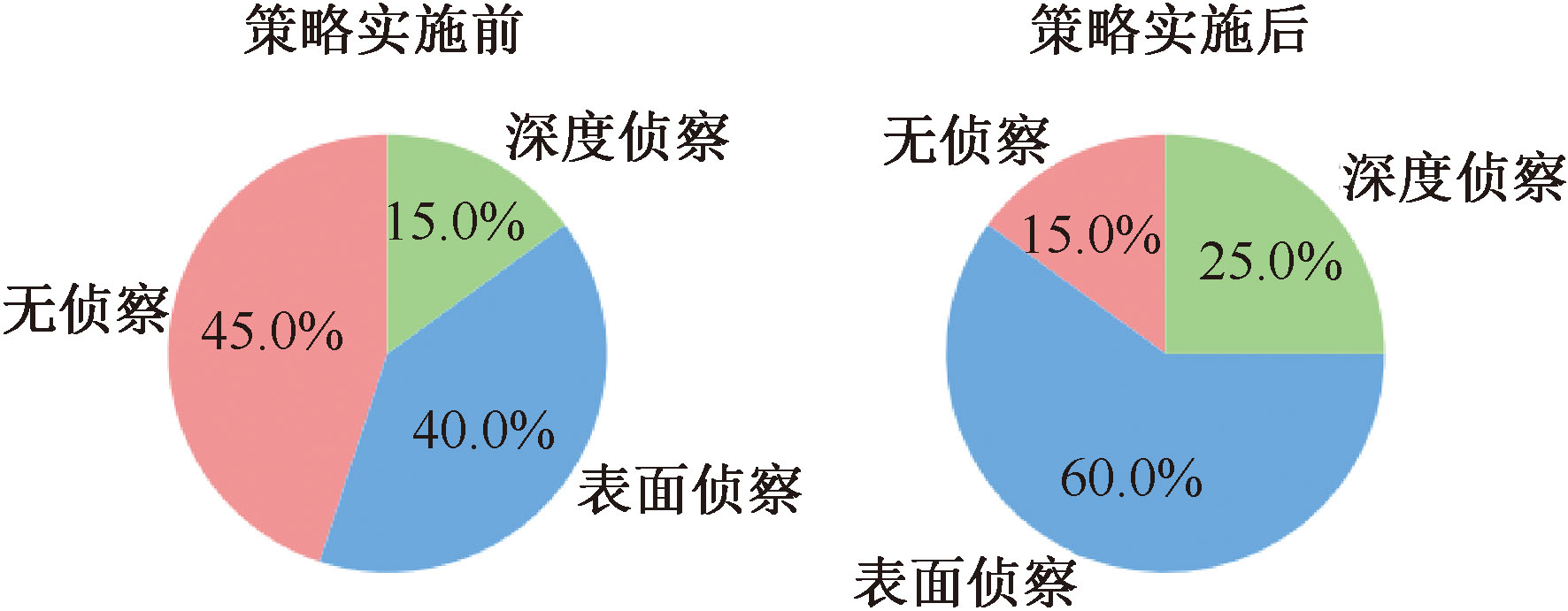
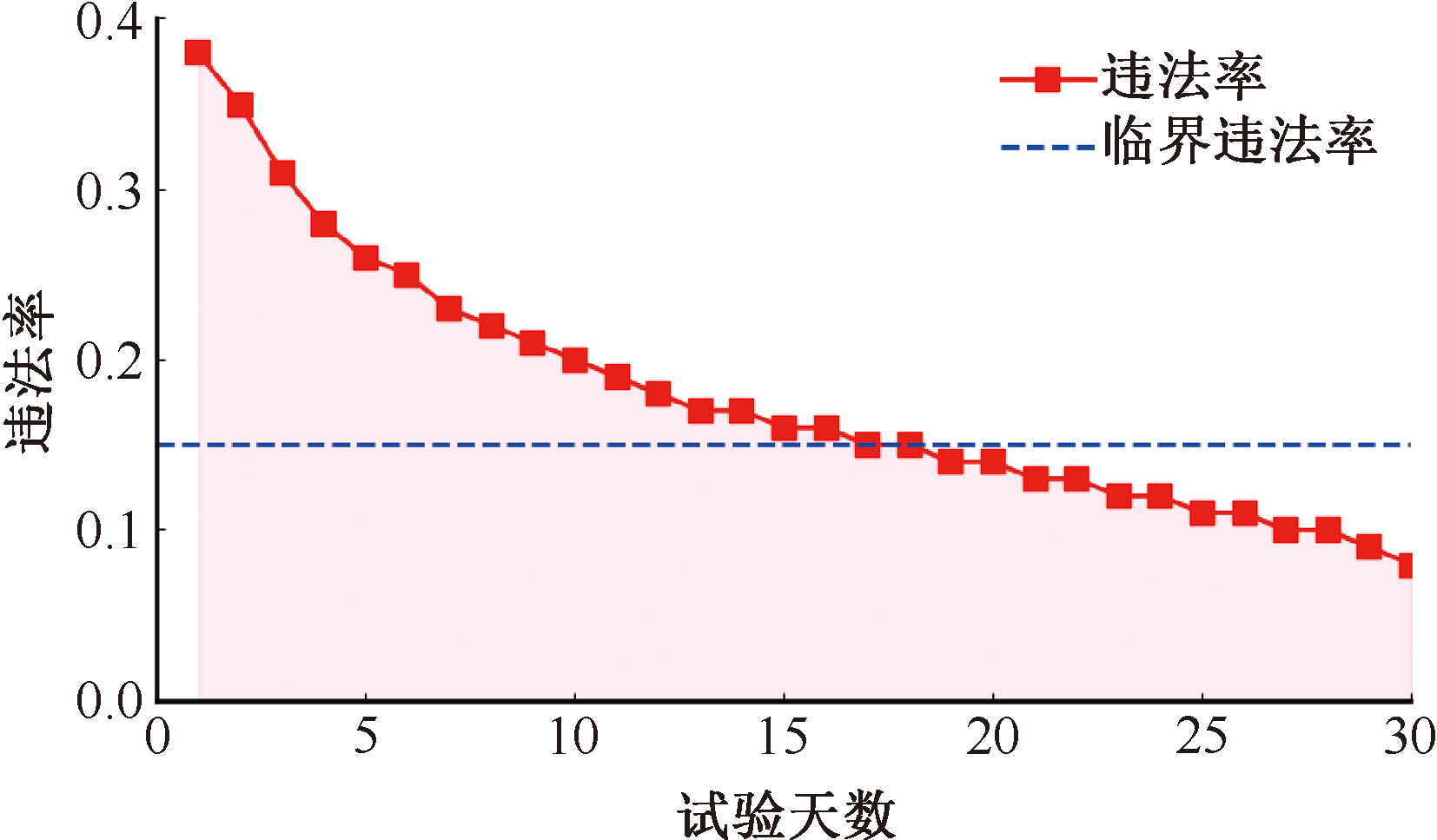
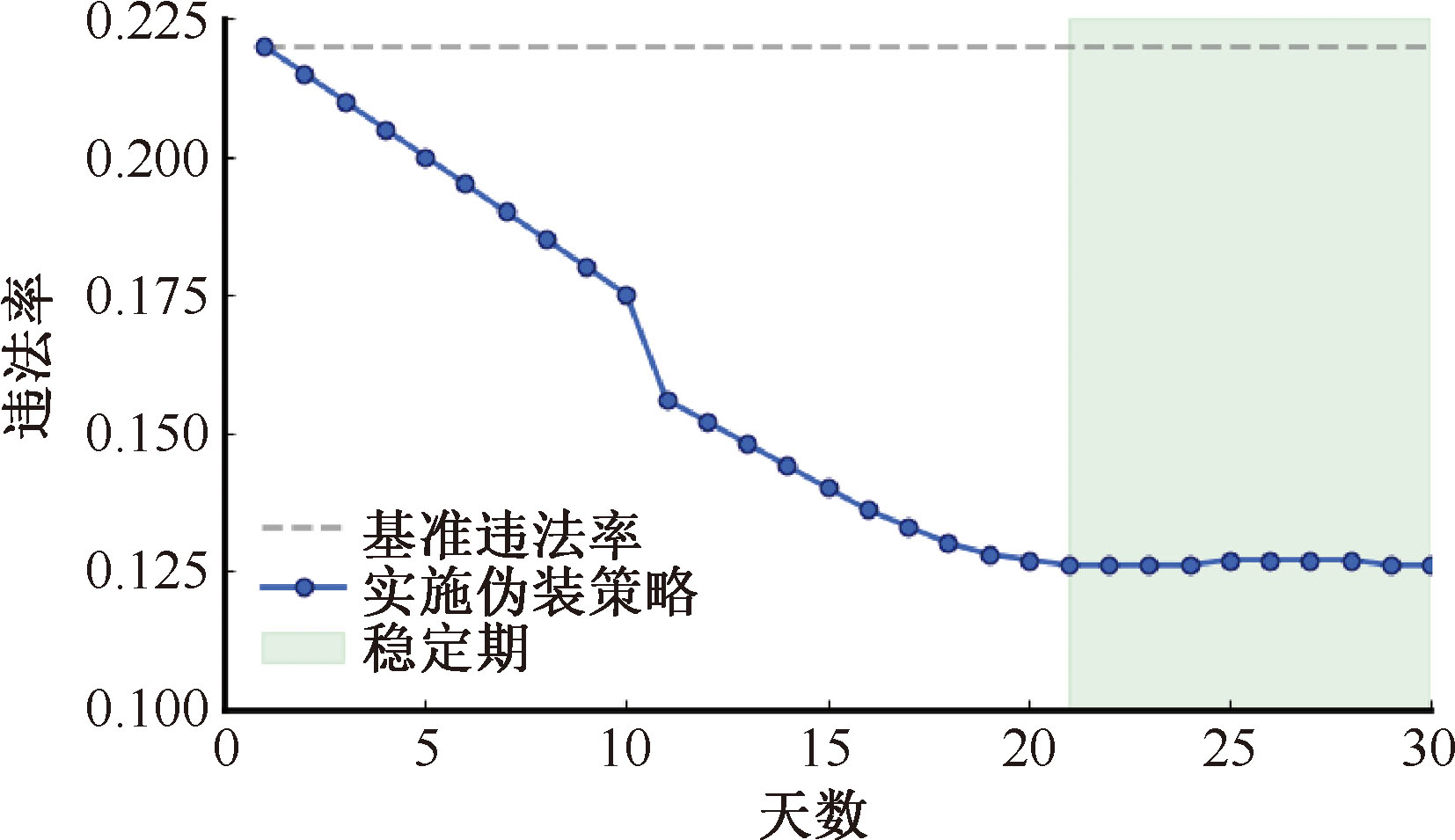
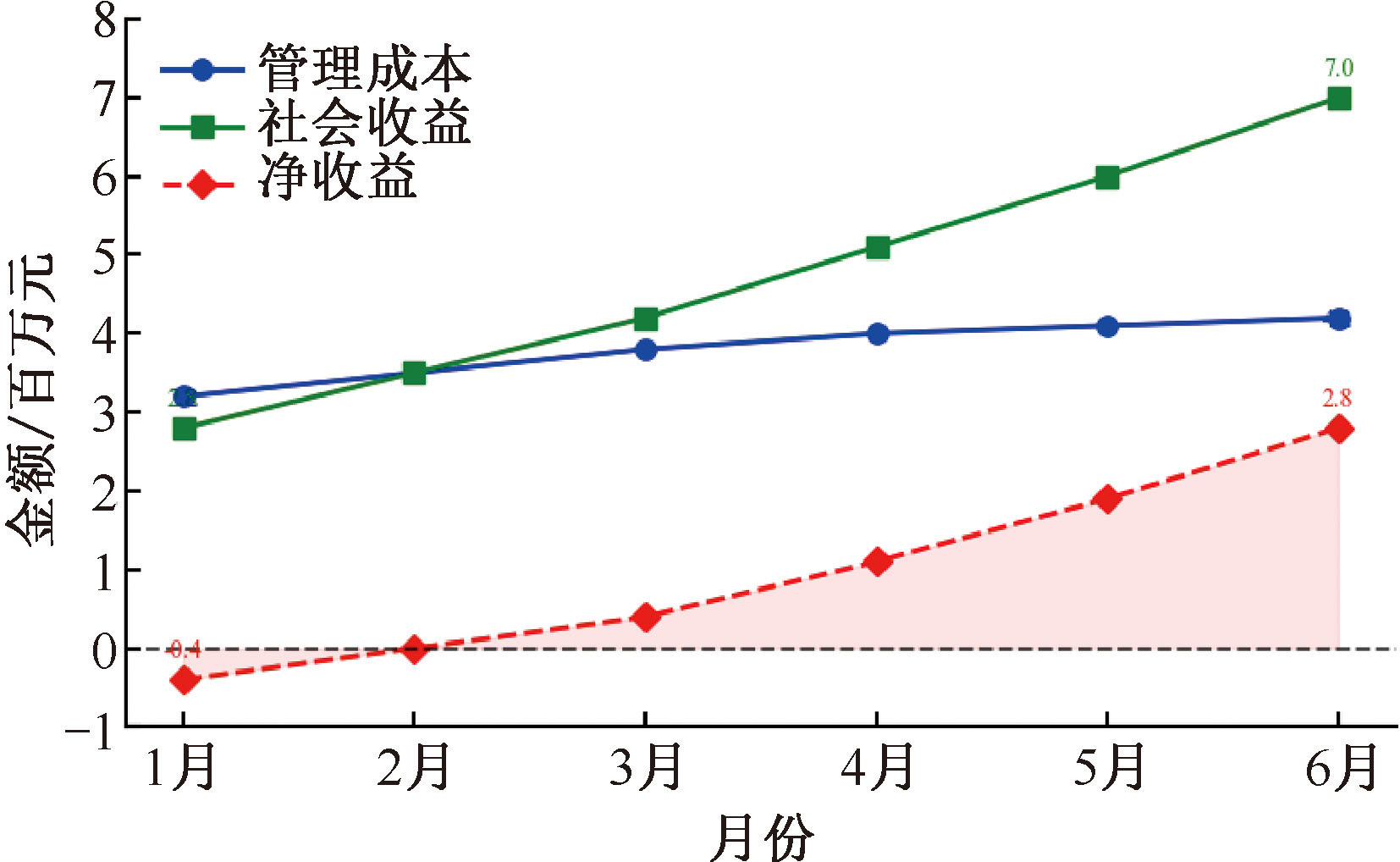
为提升交通管理反侦察效能,基于不完全信息动态博弈理论,构建管理者(政府/企业)与违法者在侦察阶段的序贯决策模型,通过信号失真机制,量化4类伪装策略(诚实表现、伪装政府风格、伪装企业风格、随机干扰)对违法者贝叶斯信念更新的干扰效应,并采用精炼贝叶斯纳什均衡方法求解最优策略组合,并依托西安市高新区路网开展实证研究。结果表明:4类典型场景存在差异化均衡条件,政府核心区策略提升深度侦察后守规概率82.3%,企业园区策略诱导表面侦察行为增加40.3%,城郊结合部组合策略降低违法率41.7%,交通枢纽区维持动态合规指数0.87±0.03;时空演化显示,伪装策略延迟违法者信念收敛周期42%,驱动30天内违法率指数衰减73.7%,投入产出比达194%。在警示明示等法律框架内,动态伪装策略通过干扰违法者认知决策可逆转信息劣势,构建“认知-空间-经济”协同治理范式,推动交通监管向主动干预转型。

关键词: 博弈, 交通监管, 伪装策略, 纳什均衡, 交通违法行为

Abstract:

Aiming at the problem of traffic offenders evading law enforcement by prejudging regulatory measures, this study explored the interference mechanism of compliance camouflage strategies on the reconnaissance behavior of traffic offenders, to improve the anti-reconnaissance efficiency of traffic management. Based on the dynamic game theory of incomplete information, a sequential decision-making model between managers (government/enterprise) and offenders during the reconnaissance stage was constructed. The signal distortion mechanism was used to quantify the interference effects of four camouflage strategies (honest performance, camouflage government style, camouflage enterprise style, random interference) on the Bayesian belief updating of offenders, and the optimal strategy combination was solved using the refined Bayesian Nash equilibrium. An empirical study was conducted based on the road network of Xi'an High-tech Zone. The results show that differentiated equilibrium conditions exist in four typical scenarios. The government core area strategy increases the post-reconnaissance compliance probability by 82.3%. The enterprise park strategy induces a 40.3% rise in surface reconnaissance behavior. The suburban combination strategy reduces the violation rate by 41.7%. And the transportation hub area maintains a dynamic compliance index of 0.87±0.03. The spatio-temporal evolution demonstrats that the camouflage strategy delayed the convergence period of offenders' beliefs by 42%, drove an exponential decay of the violation rate by 73.7% within 30 days, and achieved an input-output ratio of 194%. This study indicates that, within legal frameworks such as warnings and indications, dynamic camouflage strategies can reverse information disadvantage by interfering with offenders' cognitive decision-making, thereby constructing a "cognitive-spatial-economic" collaborative governance paradigm and promoting the transformation of traffic supervision toward active intervention.

Key words: game, traffic supervision, camouflage strategy, nash equilibrium, traffic violation behaviors

中图分类号: